Image via Unknown
Thursday, January 15, 2026
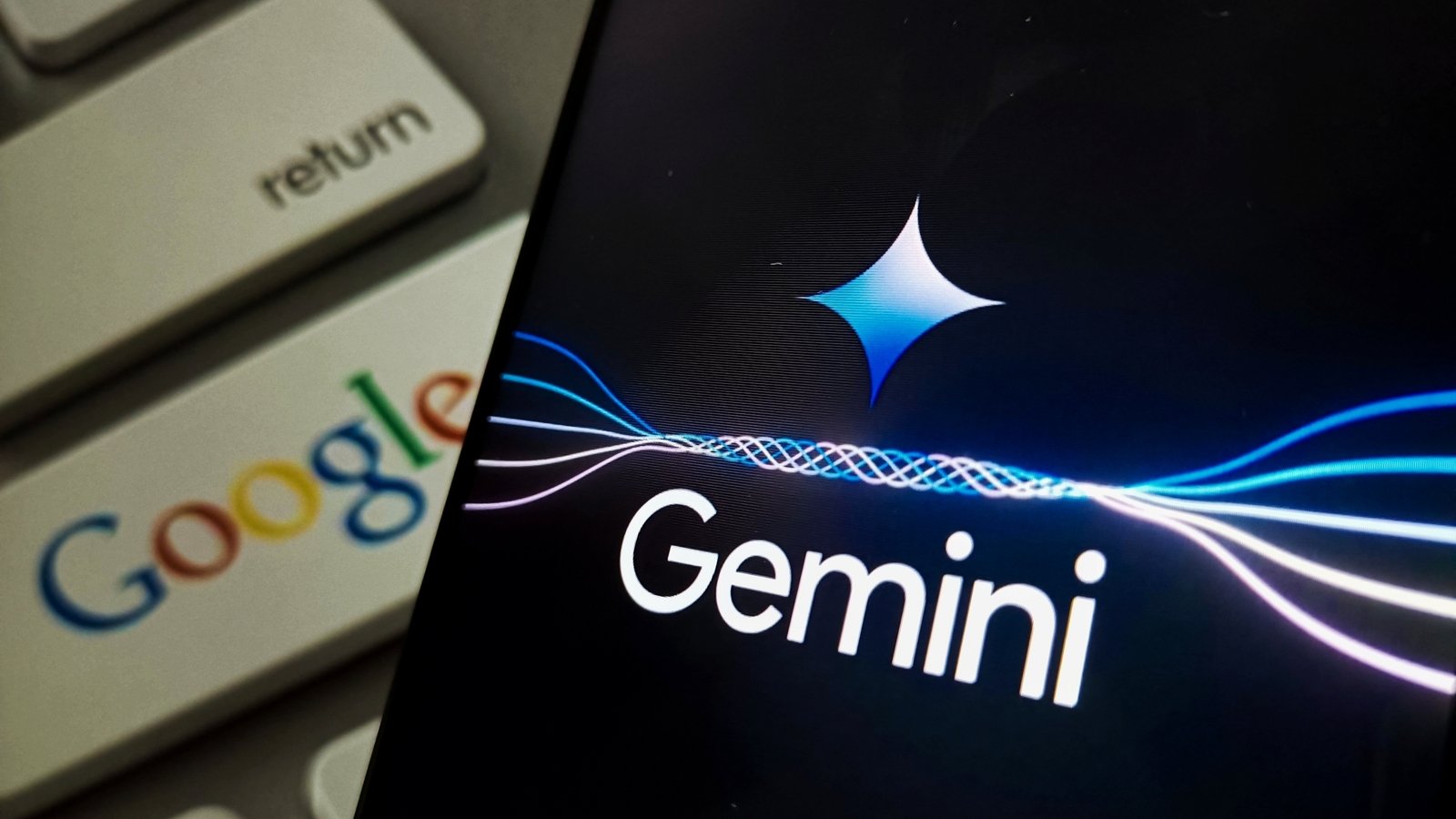
Apple just picked Google over OpenAI for Siri
Apple just made a bold move (yikes) by handing Siri's brain to Google instead of OpenAI, signaling a major shift in the AI assistant wars. Meanwhile, we're learning that the secret to sticky AI products isn't raw accuracy or cutting-edge tech, but rather soul and authentic user connection, plus a fascinating study on complex contagions reveals how feedback loops and network effects actually drive real-world success across industries. Here's the real question: If Apple trusts Google with Siri's future, what does that say about the AI moat everyone's been building?
Image via Unknown
Top Stories
Nature Communications
This comprehensive review reveals that success across domains results from collective dynamics involving feedback loops, temporal patterns, network structures, and identity factors rather than merit alone, with important implications for understanding inequality and designing interventions.
Apple chose Google's Gemini as Siri's primary AI brain, diminishing OpenAI's role to secondary use cases and solidifying Google's dominance in enterprise and consumer AI integration across major device ecosystems.
Every
Article content unavailable due to 404 error; cannot extract key takeaways about Midjourney's design philosophy or accuracy trade-offs.
Every
Every interviewed Granola's CEO on building consumer AI products with soul; Granola's 5x growth and strong retention demonstrates that useful, delightful AI products differentiate through thoughtful design rather than cutting-edge features.
Slack
Organizations adopting new tools like Slack succeed when they identify and empower informal 'champions'—trusted peer advocates who drive adoption through personal connection rather than top-down mandate. This peer-led change strategy addresses the human resistance to new workflows by leveraging social proof and accessible guidance from colleagues.
Enjoyed this issue?
Get daily AI intel delivered to your inbox. No fluff, just the stories that matter.