Image via Unknown
Wednesday, January 7, 2026
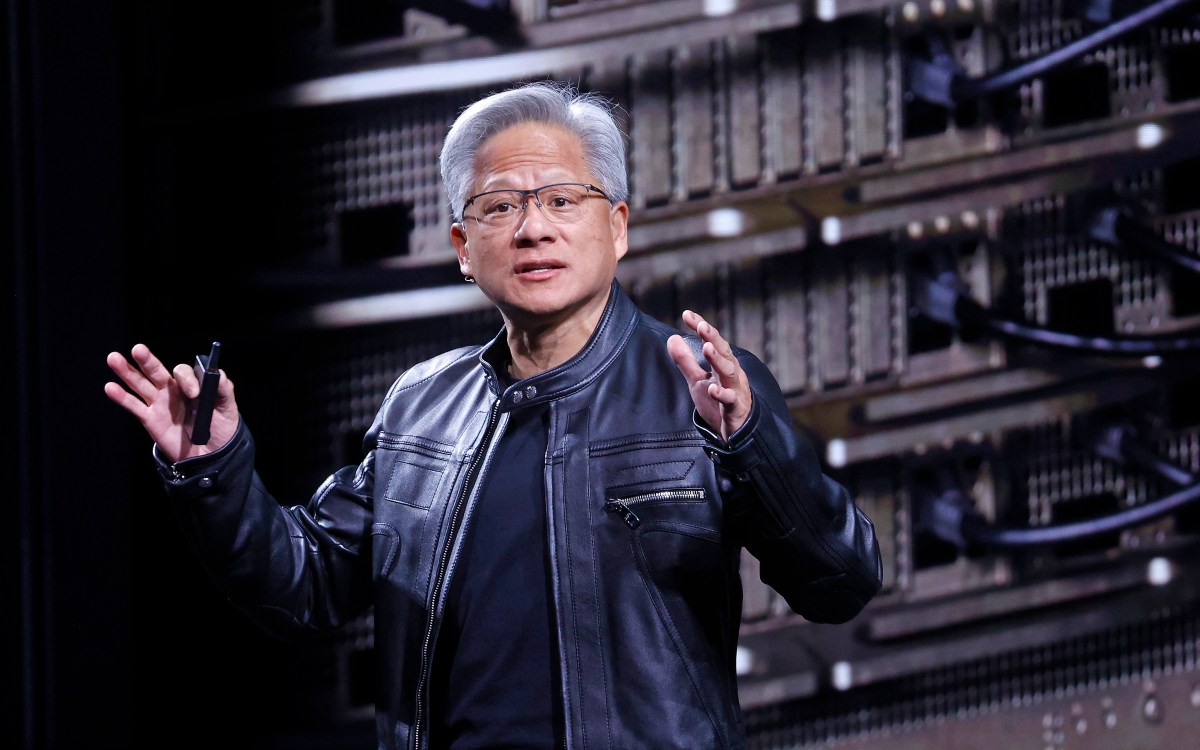
Nvidia's Vera Rubin chip is 5x faster—and it's here
Nvidia's dropping the Vera Rubin chip with 5x faster inference (yikes, the speed arms race continues), while some bold startup is shipping AI earbuds that somehow transcribe whispers better than AirPods Pro. Meanwhile, Anthropic's Claude is getting serious about code quality with TDD enforcement, game designers are apparently the secret sauce for scaling AI agents (wild pivot), and here's the kicker: AI might be building business processes so optimized we literally can't understand them. So the real question: are we building AI to work for us or just to work?
Image via Unknown
Top Stories
Nvidia launched Vera Rubin, a new AI hardware architecture in full production that addresses computational and memory bottlenecks for advanced AI workloads, cementing the company's dominance as foundational AI infrastructure competition intensifies globally.
Engadget
Subtle's new Voicebuds use custom AI to accurately transcribe speech in whispers and loud environments, outperforming AirPods Pro 3's transcription but competing on broader audio quality. The $199 earbuds target a specific use case where existing solutions struggle.
GitHub
Claude Bootstrap transforms AI-assisted development by shifting focus from code generation to code comprehension through enforced TDD pipelines, coordinated agent teams, and measurable complexity constraints that keep AI-generated code simple, secure, and maintainable.
David Kaye Blog
Game designers have spent thirty years solving the UX problems of parallel attention management and autonomous systems—skills now essential for orchestrating multiple AI agents. The talent pool for building the next generation of AI tooling should include game designers and RTS veterans.
Practical Data Modeling
AI agents will eventually design their own business processes and data models that humans cannot fully understand or articulate, forcing organizations to shift data modeling strategies and embrace a hybrid "Mixed Model Arts" approach where human and machine-defined systems coexist.
Keep Reading
Industry Voices
Daniel Koceja
Researcher at Stanford
Breaks down cutting-edge ML papers and Stanford research with detailed technical threads that save you hours of reading.
Nathan Lambert
Research Scientist at Allen Institute for AI (AI2)
Posts insider takes on RLHF, alignment research, and the messy realities of training models that actually work in production.
Enjoyed this issue?
Get daily AI intel delivered to your inbox. No fluff, just the stories that matter.