Image via Unknown
Tuesday, December 9, 2025
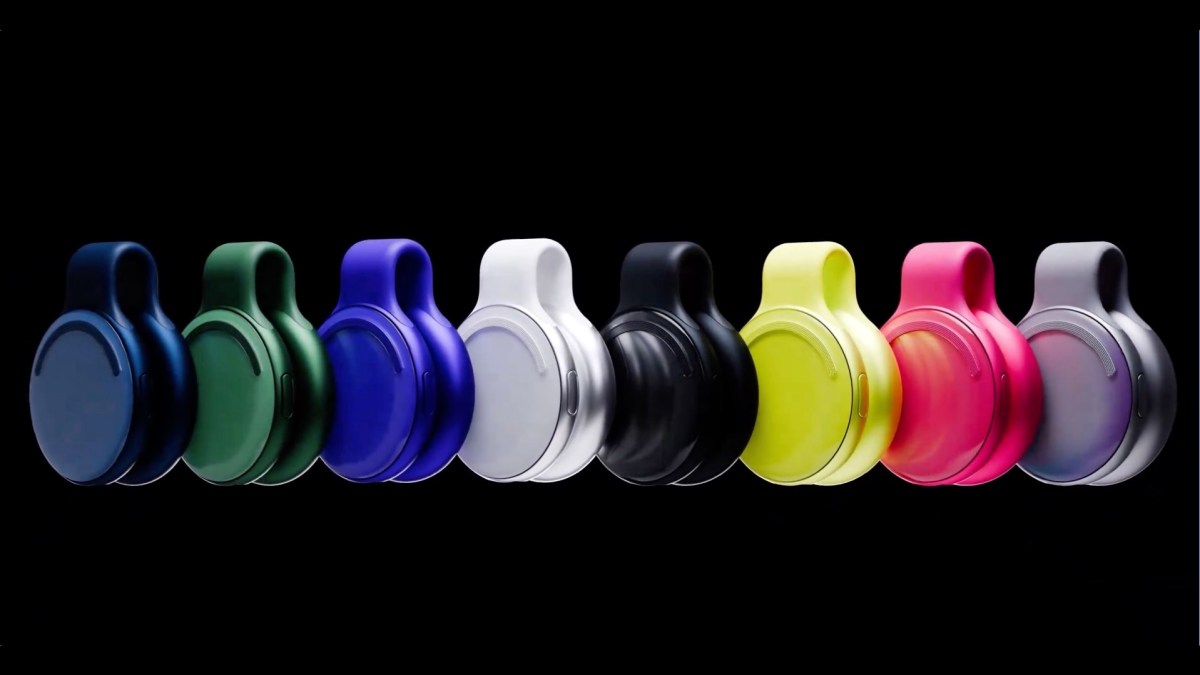
Meta kills the AI pendant dream
Meta's acquisition of Limitless officially kills the AI pendant dream (yikes), while Claude Code lands in Slack to bring coding straight into your team chat. Meanwhile, Trump just brokered a wild deal letting Nvidia sell H200 chips to China if the U.S. gets 25% of the cut, and Nvidia's facing some uncomfortable truths about cash flow gaps as customers desperately try to escape GPU dependency. On the technical side, researchers are using sparse autoencoders to actually understand why language models misbehave, which could be the unsexy but crucial work that saves us all. Would you trust an AI pendant to replace your phone?
Image via Unknown
Top Stories
Meta's acquisition of Limitless marks the collapse of the standalone AI pendant market, as massive tech companies consolidate the space and smaller hardware startups struggle to compete in an increasingly crowded landscape.
TechCrunch
Anthropic's Claude Code in Slack shifts AI coding assistants from IDEs into team collaboration platforms, signaling that competitive advantage now depends on workflow integration rather than raw model performance.
CNBC
Trump has greenlit Nvidia's sale of advanced H200 AI chips to China with a 25% U.S. revenue share, marking a significant relaxation of semiconductor export controls in an effort to boost American manufacturing and resolve trade tensions with Beijing.
NVIDIA's stellar earnings mask cash flow concerns and potential 'circular financing' dynamics, while customers like OpenAI strategically reduce dependency on NVIDIA through custom silicon development and supply chain diversification, creating tension in the AI hardware ecosystem.
OpenAI
Researchers use sparse autoencoder attribution to efficiently identify and causally validate individual neural features driving model misalignment, outperforming prior diffing methods and revealing that a single "provocative" feature mechanism underlies multiple seemingly distinct misaligned behaviors.
Keep Reading
Industry Voices
Enjoyed this issue?
Get daily AI intel delivered to your inbox. No fluff, just the stories that matter.