Image via Unknown
Wednesday, October 22, 2025
Yelp's AI just started booking your dinner reservations
We're watching the architecture of AI fundamentally reshape itself. OpenAI just launched ChatGPT Atlas, merging chat with web browsing in one fell swoop (wild move), while memory layers are letting models learn continuously without the dreaded forgetting problem. Meanwhile, Yelp's AI agents are literally booking your dinner reservations and answering restaurant phones (yikes), and a mini model battle is brewing between Claude Haiku 4.5, GLM-4.6, and GPT-5 Mini, each claiming supremacy in different ways. The Bitter Lesson keeps getting reframed too: turns out engineers are building search harnesses, not permanent solutions. So here's the real question: if your AI can search the web, remember everything, and book your reservations, what exactly are you building for?
Image via Unknown
Top Stories
The Bitter Lesson doesn't eliminate engineering—it redefines it. Engineers' role shifts from crafting domain-specific solutions to building scalable problem formulations and evaluation systems that let compute and search algorithms find optimal solutions.
Jesy Lin's Blog
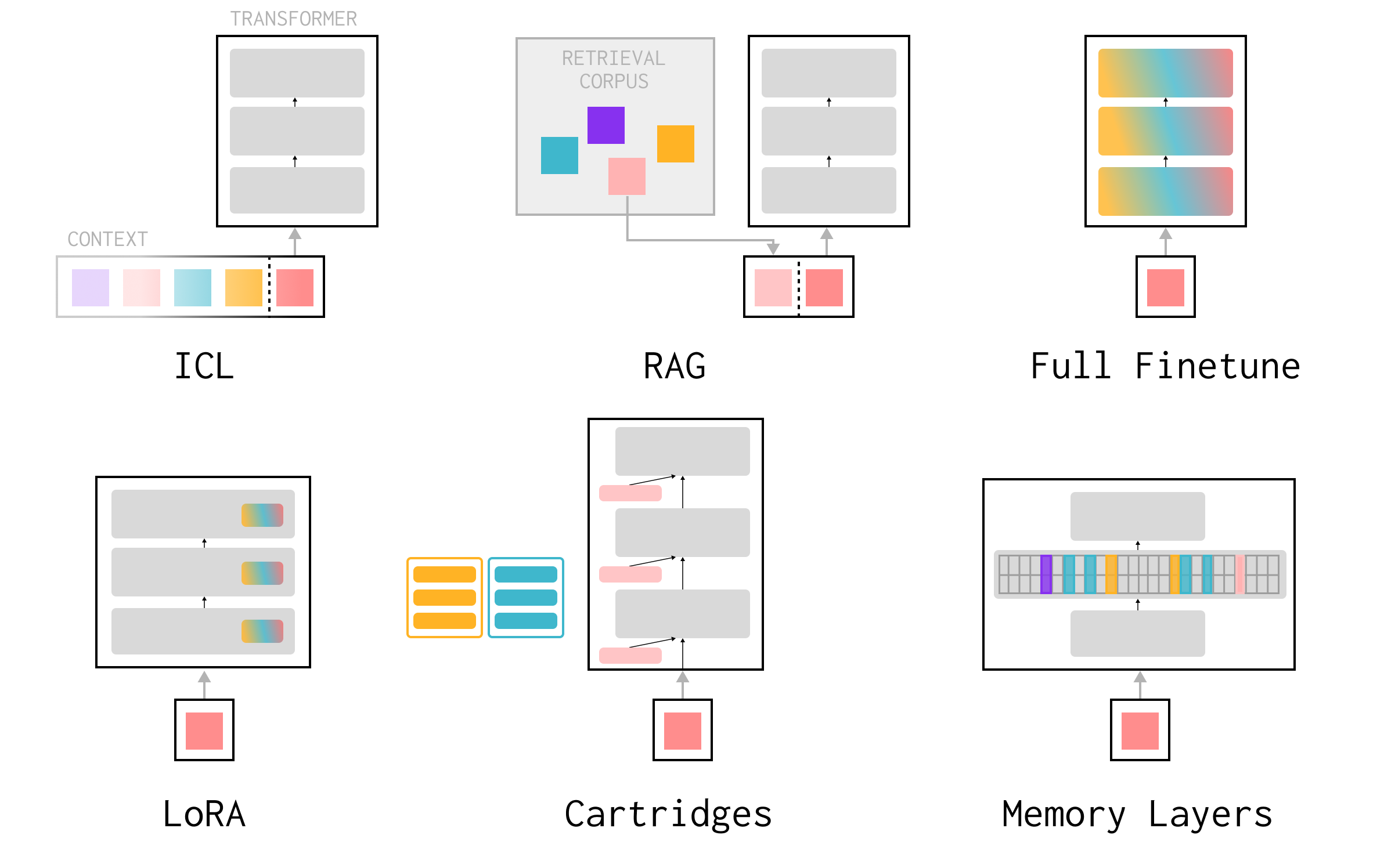
Memory layers enable continual learning in AI models by using sparse, learned attention over millions of parameter slots, achieving significant improvements in learning new information while reducing catastrophic forgetting compared to LoRA and full finetuning approaches.
Yelp launches AI voice agents to automate restaurant reservations and business calls, addressing labor shortages while freeing staff to focus on customer service.
OpenAI's new ChatGPT Atlas browser eliminates the distinction between chat and search by embedding AI assistance directly into web browsing, enabling contextual help and autonomous task completion while prioritizing user privacy and security controls.
Benchmark testing of three mini AI coding models shows GPT-5 Mini prioritizes safety with robust concurrency handling, Haiku excels in speed and features, and GLM-4.6 offers the best architecture but at higher cost—highlighting distinct trade-offs in production readiness versus development velocity.
Keep Reading
Enjoyed this issue?
Get daily AI intel delivered to your inbox. No fluff, just the stories that matter.